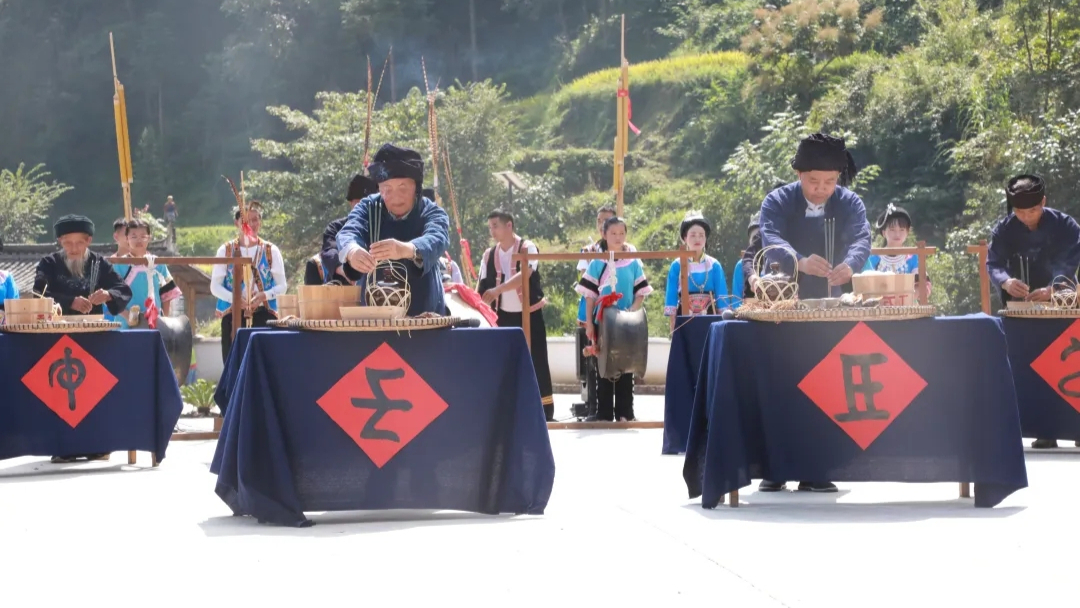
Duan Festival
Introduction
The Duan Festival, celebrated primarily by the Shui people of China, is one of the lengthiest festivals in the country, lasting for nearly two months. This festival commences in the twelfth month of the Shui calendar and concludes in the second month of the following year. Renowned for its vibrant and diverse cultural expressions, the Duan Festival serves as a time for the Shui community to honor their ancestors, celebrate the harvest, and usher in the new year. The festival includes a myriad of traditional activities such as folk-custom rituals, festival parades, bullfighting, and Lusheng (reed pipes) performances, reflecting the rich cultural heritage and communal spirit of the Shui people. In 2006, the Duan Festival's cultural significance was recognized nationally when it was inscribed on China's intangible cultural heritage list.
History
The Duan Festival has deep historical roots in the traditions of the Shui ethnic group, who predominantly reside in Southwest China's Guizhou province. Historically, the festival is believed to have originated from the Shui people's agricultural practices and their calendar, which is distinct from the standard Gregorian calendar. The festival's timing is closely aligned with the agricultural cycle, beginning with the end of the harvest season and concluding with the preparations for the new planting season. Over time, the Duan Festival has evolved to incorporate various cultural elements, including music, dance, and sports, which have been preserved and passed down through generations. This evolution has helped maintain the festival's relevance and vibrancy, making it a cornerstone of Shui cultural identity.
Traditional Activities
The Duan Festival is characterized by a rich array of traditional activities that reflect the cultural diversity and vibrancy of the Shui people. Key activities during the festival include:
Worship
During the Duan Festival, the Shui ethnic group engages in activities to honor their ancestors and celebrate the harvest. They offer prayers to their ancestors and deities, thanking them for the abundant crops and livestock. Families gather together to share new rice, fish, and other delicious foods, creating a festive atmosphere.
Glutinous Rice
Newly harvested glutinous rice is also an important item during the Duan Festival, symbolizing harvest and abundance. The Shui people often use the newly harvested glutinous rice to make various rice products, such as nuoba (glutinous rice cakes) and zongzi (glutinous rice dumplings).
Bullfighting
The Duan Festival of the Shui ethnic group features a unique bullfighting ritual, where bulls are matched up in fierce competitions to showcase strength and courage. This tradition reflects the Shui people's deep respect for animals and their connection to the land.
Regional Variations
While the Duan Festival is primarily celebrated by the Shui people in Guizhou province, variations of the festival can be observed across different regions, influenced by local customs and traditions. In some areas, the festival may include unique rituals or performances that reflect the local culture and history.
Modern celebrations may include organized cultural exhibitions, performances, and tourism initiatives aimed at showcasing the festival's unique aspects to a broader audience. This has helped raise awareness of the Duan Festival's cultural significance and contribute to its ongoing preservation as a vital part of China's intangible cultural heritage. As the festival continues to evolve, it remains a vibrant expression of Shui culture and an important occasion for community celebration and cultural exchange.








